Things to Do in Casablanca
Casablanca greets you with Atlantic salt and hot cumin, neon mosques glowing against the night.
Top Things to Do in Casablanca
Find activities and tours you'll actually want to do. Book through our partners -- no booking fees.


Plan Your Trip
Essential guides for timing and budgeting
Climate Guide
Best times to visit based on weather and events
View guide →Day Trips
The best excursions and nearby destinations worth the journey
Explore day trips →Where to Stay
Best neighbourhoods, hotel picks, and booking tips
Find hotels →Travel Insurance
What's required, what coverage matters, and how to get a quote
Read guide →What to Pack
Climate-specific gear, essentials, and what to leave at home
See packing list →When Should You Visit Casablanca?
Tap a month for weather, crowds, and highlights
View full year-round climate guide →Your Guide to Casablanca
About Casablanca
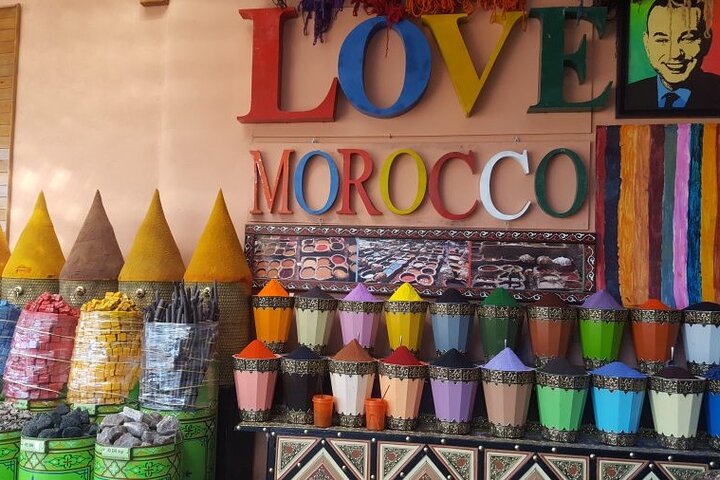
Casablanca arrives on Atlantic wind. Diesel exhaust mingles with frying fish. Hassan II Mosque's minaret speakers crackle at dawn. The tramway clanks past Art-Deco facades on Boulevard Mohammed V. Bullet scars from French colonial days still mark the walls. Derb Ghallef's electronics souk defines the real city. Vendors hawk knock-off iPhones beside pyramids of ras el hanout.
Habous Quarter's olive markets buzz with drama. Grandmothers argue prices in Darija. Their grandsons stream Champions League on cracked smartphones. Downtown Maarif runs on espresso and ambition. Café de France serves 8-dirham ($0.80) café nus-nus. Suits negotiate deals while drivers idle outside. Mercedes older than Morocco's independence line the curb.
Corniche beach clubs charge 300 dirhams ($30) for sunbeds. Casablanca beer costs 80 dirhams ($8). Walk ten minutes past the lighthouse. Ain Diab's public beach offers free waves. Local families swim where Club Med never reached. This isn't the romantic movie set. It's better. Casablanca builds Morocco's future on scaffolding and dreams.
The call to prayer echoes off glass towers. Best couscous comes from grandmother's kitchen, never restaurant menus.
Travel Tips
Transportation: Download Allo Kar before landing. Moroccan taxis won't triple-charge you. Tramway costs 8 dirhams (80¢) per ride. Runs from Ain Diab beach through downtown. Connects Maarif and Gauthier neighborhoods. Skip white petit taxis at Casa Port. Walk 200 meters to actual taxi stand. Meter starts at 2 dirhams. Inside they'll quote 50. Rabat train costs 45 dirhams ($4.50). runs on time. Buses operate on Moroccan flexibility. Whenever the driver finishes his tea.
Money: Airport ATMs charge 200 dirham ($20) fees. BMCE and Attijariwafa banks in Maarif charge 20 dirhams ($2). Cards work at Carrefour and western restaurants. Spice vendor in Derb Omar wants cash. Bissara soup guy on Rue Ibnou Batouta takes 5 dirhams (50¢). Always carry small bills. Taxi drivers never have change. during Ramadan. Exchange guys near Marché Central beat bank rates. Count every note twice.
Cultural Respect: Friday prayers close everything 11:30 AM to 2:30 PM. Plan mosque visits accordingly. Hassan II Mosque tours stop too. Ramadan nights after 9 PM stay lively. Don't eat or drink openly before sunset. Locals will remind you politely. You'll feel awkward anyway. Habous Quarter workshops welcome photos. Derb Ghallef phone markets definitely don't. Accept tea invitations. Refusing equals declining grandmother's cooking. Women travelers: catcalling is real. Harmless but annoying. Firm "safi" works. Ignoring doesn't.
Food Safety: Street cart on Rue Tahar Sebti serves maakouda. Fried potato sandwiches cost 3 dirhams (30¢). Oil is probably older than you. Locals eat there decades without incident. Follow construction workers at noon. They won't waste money on bad food. Bissara stands open 6 AM. Five-dirham bowls are safe bets. Skip beach club sushi. Unless you enjoy digestive roulette. Tap water tastes like chlorine dreams. Five-liter bottles from hanouts cost 8 dirhams (80¢). They taste like water.
When to Visit
Casablanca weather runs on Atlantic time. Never as hot as Marrakech. Never as cold as the Atlas. June through September brings 25-28°C (77-82°F) days. Perfect beach weather. Hotel prices jump 60%. Corniche becomes parking lot. Overheated European families everywhere. October through November hits sweet spot. 22-25°C (72-77°F) days.
Hotels drop from 800 to 400 dirhams ($80 to $40). Atlantic finally warm enough. December through February stays 15-18°C (59-64°F). Rain every few days. Rick's Café almost empty. Flights drop 40%. March through May mirrors autumn. Adds Sahara sandstorms. Everything turns orange for days. Ramadan shifts yearly. 2025 runs March 1-30.
Everything slows down. Evenings become memorable. Mawazine music festival hits May. Doubles hotel prices. International acts on coastal stages. Skip August if possible. 30°C (86°F) humid heat. No breeze. Locals flee to mountains. Atlantic Film Festival lights October. Cinéma Rialto hosts screenings. January beaches empty.
Storm waves crash Ain Diab lighthouse. Good for photography. Budget travelers: February or October. Luxury seekers: September delivers. Best restaurants fully staffed. Families: late May or early June. Before European holidays spike prices.
More Ways to Experience Casablanca
Tours, day trips, and local experiences curated by on-the-ground operators.
Didn't see anything interesting yet?
Browse Viator's full catalog of tours, day trips, food experiences, and private guides in Casablanca.
See All Casablanca Tours on Viator